
Interior Design Photography
Interior design
photography.
Portfolio photography for interior designers, stagers, and custom builders across the Shenandoah Valley and central Virginia. Built around the rooms you actually changed, at one flat rate per image that already includes the rights to use them for as long as you want.
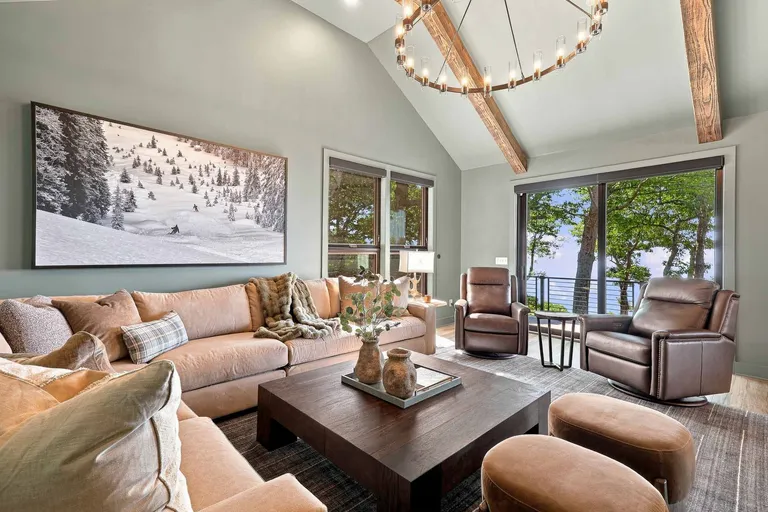
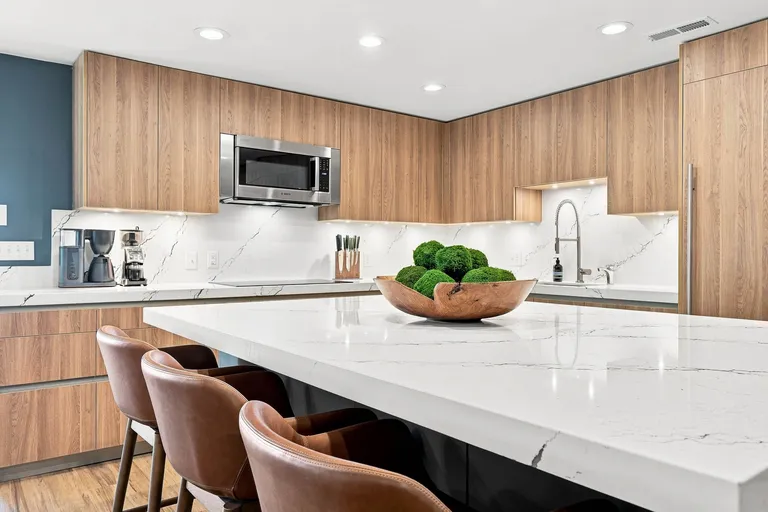
A different job entirely
This is not
a listing shoot.
A listing shoot is a coverage problem. Every room gets one good, honest, well-lit photograph, the buyer understands the house, the job is done. Speed matters, because the listing goes live tomorrow.
Your work is the opposite problem. You do not need every room. You need a small number of images of the rooms you actually touched, and each of those images has to be good enough to sit at the top of your portfolio for the next three years. A designer who redid one powder room might want six frames of that single space: the wide, two mediums, and three details. A designer who finished a whole house might want twelve, because twelve rooms is not the point, the twelve best decisions are.
That changes how the shoot runs. We cover fewer spaces and spend longer in each one than a listing would ever justify. Things get moved. A chair goes back two inches, a stack of books loses its top title, a lampshade gets turned so the seam faces away. If you want to art direct over my shoulder, that is the best possible version of this shoot, and it is how most of them go.
How the day works
Fewer rooms,
far more care.
We agree the shot list before I arrive
Tell me which spaces matter and roughly how many finished images you want out of each. That list drives everything: how long we need, what time of day we start, and what the quote is. It is a much better conversation than showing up and discovering the whole first floor was in scope.
Lights off, on purpose
The reason your projects look flat in phone photos is that a phone averages the whole room into one exposure. The reason they look slightly wrong in a lot of professional photos is mixed light. Daylight from the window is one color. The lamps you specified, the under-cabinet run and the fixture over the island are each a different one, and once they blend in a single frame the wall you chose is no longer quite the color you chose.
So my default on design work is lights off and daylight only, the way editorial interiors are shot. I work in bracketed sets so the view out the window is still a view rather than a hole in the wall, and the shadow side of the room keeps its detail instead of going to mud. It is the surest route to true color. If the lighting itself is part of the design, tell me at the shot list and I will shoot a lit version of that space as well.
Verticals stay vertical and colors stay true
Leaning walls are the fastest way to make finished work look amateur, so lines get kept straight in camera and corrected in the edit. Color accuracy matters more on your work than on almost any other job I do, because you chose that green, argued for it, and had it mixed. It should be that green in the photograph.
That carries through to how your files get finished, and I will tell you plainly what my finish is: it runs warm. Not orange, not filtered, but warmer than a clinical white-box edit, because rooms photographed dead neutral tend to look like showrooms and rooms people actually want to be in have some warmth to them. It is a deliberate choice and it is most of what people mean when they say they like my work.
Where that meets your work is on specific colors. If there is a paint, a tile or a fabric on your project that has to read exactly true, tell me which one at the shot list and I will make sure it does. That is a normal request and it takes no extra time. What I will not do is quietly hand you a room whose signature color came back as something you did not specify.
Details are half the deliverable
The wide shot proves the room works. The detail shots are what people actually stop scrolling for and what a magazine or a vendor feature will ask you for: the tile edge, the hardware, the cabinet reveal, the way the fabric takes light. Every project I shoot comes back with both, because a portfolio of nothing but wides is a portfolio nobody lingers on.
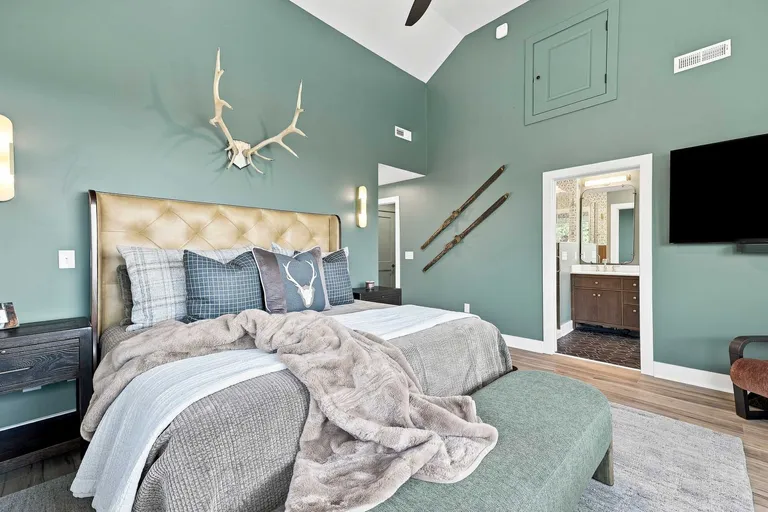
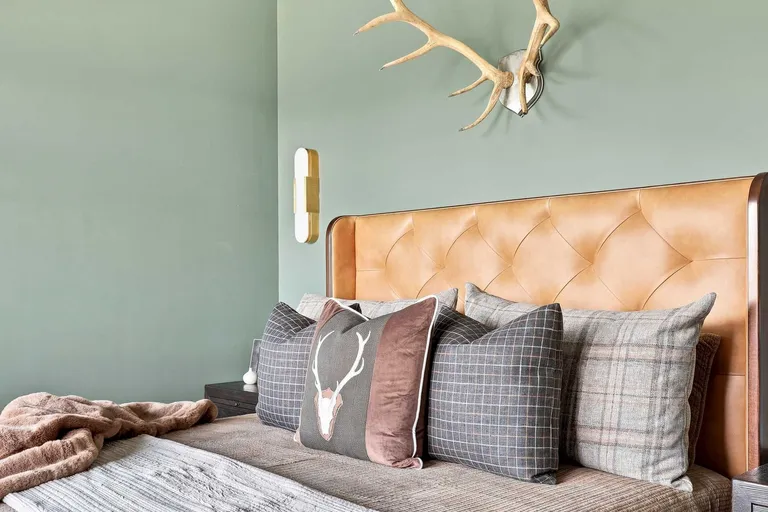
Recent project
A mountain house
at Wintergreen.
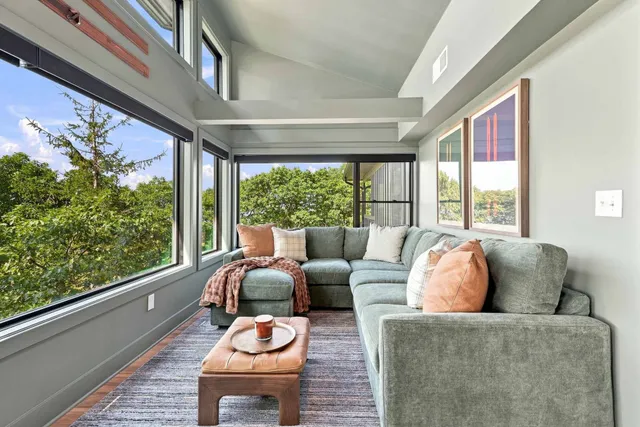
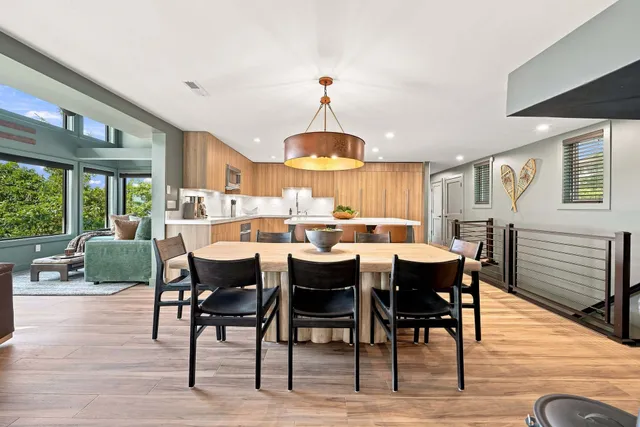
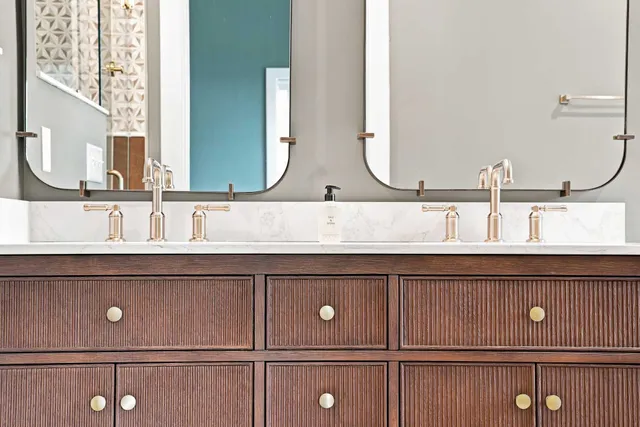
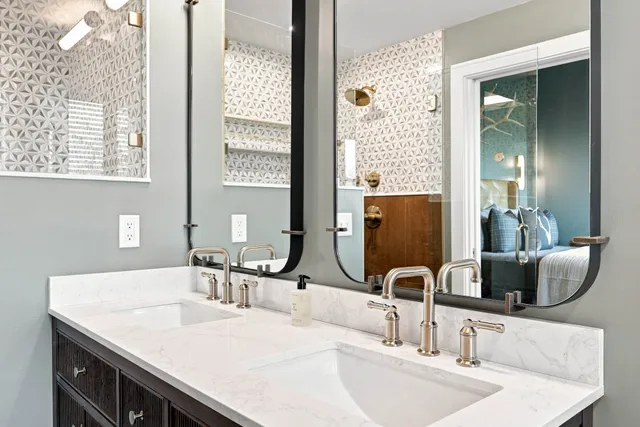
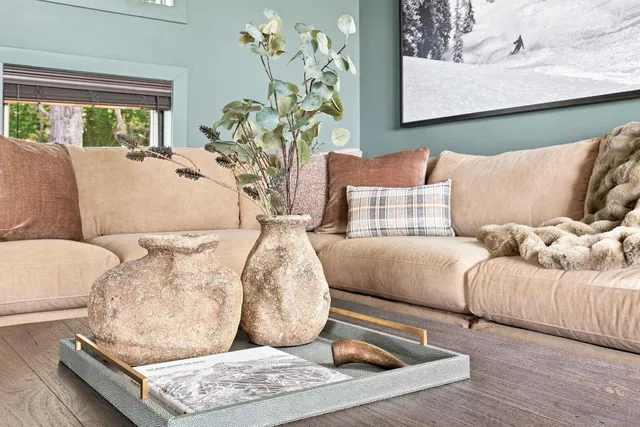
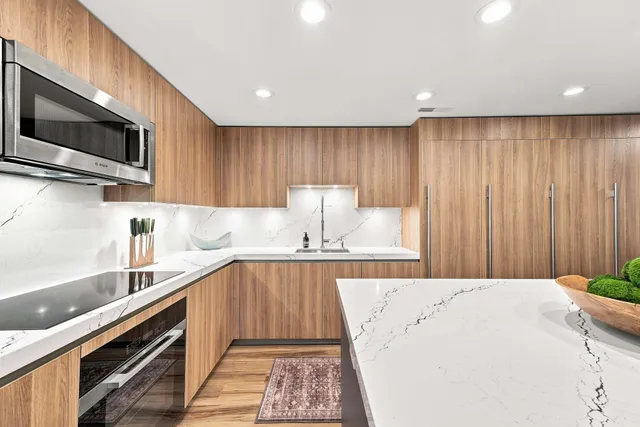
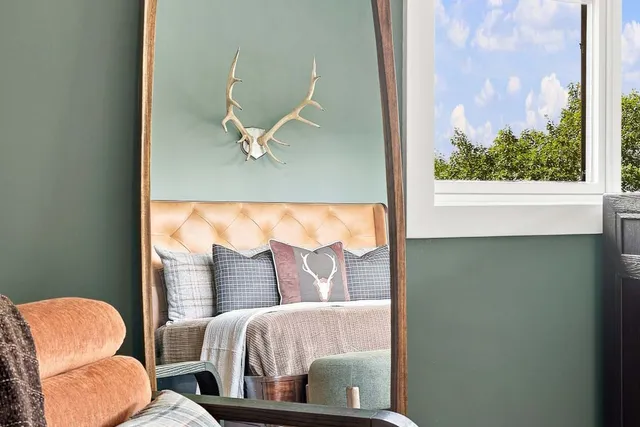
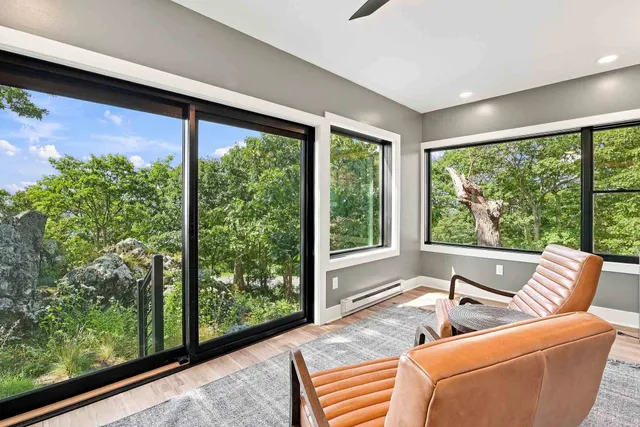
Lights off, daylight only, bracketed so the windows still hold a view. Wides where the room needed to be understood and details where the decision was worth looking at, which is what a finished set actually looks like when it lands in your inbox. More of this kind of work is on the Wintergreen page and in the full portfolio.
Pricing
Priced per image,
and here is why.
My listing photography is priced by square footage, because on a listing square footage tells you almost exactly how long the job takes. On design work it tells you nothing. One styled powder room can take longer than an entire three-bedroom listing, and a large house where you only touched the kitchen and the primary suite is a short day.
It is not priced by the hour either, and I will be honest about why: I am fast. I shoot in bracketed sets and I do not need a whole day in your project to come away with the frames you need. Billing you by time would just charge you for my inefficiency, and I would rather not have any. So design work is priced on the thing you actually keep, which is finished images, and the rights to use them are already inside that price.
Finished images are $80 each, with a ten-image minimum, and the marketing license is included in every one of them. That makes the project total simple enough to put in a table, so here is what the common sizes come to.
| Finished images | What that usually covers | Project total, license included |
|---|---|---|
| 10 images | A single-room feature: the wide, two mediums, and the details | $800 |
| 15 images | Two spaces done properly, or one large room with a lot of decisions in it | $1,200 |
| 20 images | A kitchen and primary suite, or a compact whole-house project | $1,600 |
| 25 images | A whole-house project with the exterior included | $2,000 |
| 30 images | A large project, or two projects photographed on the same visit | $2,400 |
| Every image after that | Same rate, same license, no ceiling | $80 each |
You will not get a menu to negotiate against. Tell me the spaces and I will send back a single number for the whole project, licensing included, so you can approve one figure instead of auditing a line-item list. Anything between the rows is just the count times $80, so sixteen images is $1,280. Travel is unchanged from the rest of my work: no fee inside the core zone, a flat $1 per mile beyond it, shown before you book.
If you would rather book online than ask for a quote, you can. On the order form, interior design photography is the last section at the bottom of the page, below all the listing products, so scroll past those. Set the image count there and the total is calculated for you, license included.
Usage rights
You will be using these
for years. It is already paid for.
A listing photo has a job that ends when the house sells. Your photos never stop working. They go on your site, into your Instagram, onto a vendor's page when they feature the project, into a pitch deck for the next client, and possibly into a magazine submission two years from now. That is ongoing commercial use, and it needs to be licensed rather than assumed.
I handle it the same way I handle short-term rental rights, which is to say simply, and then one step simpler. The license is built into the $80 per image, so there is no separate line for it: unrestricted continued marketing use, one time, no renewals, no expiration, no percentage of anything, and no invoice arriving because you posted the photo somewhere new. Photographers commonly charge two to three times the shoot fee for the same rights. Here it is simply the price of the image.
That included license also covers the trades and vendors who worked on the project. Your cabinet maker, your tile installer and your builder are all going to ask you for these photos, and you are going to want to say yes, because handing your trades good photography is how you stay the designer they want to work with. So it is already included rather than being a second line item you have to think about. Ask them for a credit and everyone does well out of it.
Two boundaries, stated plainly rather than buried. A national brand or manufacturer wanting the images for a paid advertising campaign is a different scale of use and a separate conversation, not something the project license stretches to cover. And if the property owner later wants to use the photos to sell or rent the home, that is their own conversation with me rather than something you should be caught in the middle of.
Who this is for
Designers, stagers,
and the trades.
Interior designers and decorators who need portfolio work that holds up next to the firms they are competing with, and who are tired of shooting finished projects on a phone because the budget ran out at the end.
Home stagers documenting installations. Your work is temporary by definition, so the photographs are the only version of it that survives, and they need to be shot before the furniture goes back on the truck.
Custom builders, remodelers, cabinet makers, and tile and millwork trades who finish beautiful work and then have nothing to show for it but a jobsite photo taken on a phone at 4pm with a ladder still in the frame. If the project is a whole building rather than the rooms inside it, tell me and we will scope it that way, because photographing a structure is a related but slightly different job.
Small hospitality and retail spaces: an inn, a tasting room, a shop, a short-term rental with a real design point of view. If it is a rental that will earn nightly, see vacation rental photography, where the licensing question is already solved.
Common questions
Design photography, answered.
Finished images are a flat $80 each with a ten-image minimum, so the smallest booking is $800. The marketing license is already inside that number: unrestricted continued marketing use for you and your project trades, one time, with no separate fee and no renewals. A single-room feature at ten images is $800 all in, a kitchen and primary bath at sixteen images is $1,280, and a whole-project shoot at twenty images is $1,600. Travel is free inside the core zone and a flat $1 per mile beyond it. You will always get one number for the project rather than a menu.
Because it would not give you what you need. A listing shoot is built for coverage and speed: one solid frame per room, delivered in 24 hours, licensed for the sale of that house. Design work is the reverse, which is fewer spaces, far more time in each, detail frames as a real part of the deliverable, and a license that lets you keep using the images in your own marketing indefinitely. Booking the listing product for a portfolio project is the cheaper option right up until you try to use the photos. If you are booking online, the interior design section is the last one on the order form, at the bottom of the page below the listing products.
Please do. The shoots that go best are the ones where the designer is in the room, because you know which decisions the photographs need to make legible and I know what the camera will do with them. Bring whatever you want to style with. If you cannot be there, send the shot list and reference images and I will work from those, but the in-person version is better and it is not more expensive.
Exactly what we agree in the shot list, with a ten-image minimum and no upper limit. A single-room feature usually runs eight to twelve finished frames: the establishing wide, one or two mediums showing how the space is used, and several details. A whole project more often lands between sixteen and twenty-five. Every image is the same $80 with the license already inside it, so adding a frame is a simple decision rather than a renegotiation.
Less time than you are probably expecting. I work in bracketed sets and move efficiently, so a single-room feature is usually well under an hour and a full project rarely takes a morning. That is deliberate, and it is also why you are not billed by the hour: my speed should be your convenience, not your invoice. What it does not mean is rushing you. If a space needs restyling between frames, we restyle it. The delivery date is quoted with the project rather than promised as a blanket 24 hours, and you will have that date before you book.
Yes, and on a project where you touched the exterior or the landscaping it is often the strongest image in the set. My strong preference for design work is a virtual twilight: I photograph the exterior in daylight during the same visit and convert it to dusk in the edit, which gives you the twilight frame that makes a whole-house project look like a whole-house project without a second appointment at sunset. Aerials are available too where the setting is part of the story, flown by an FAA Part 107 certified pilot.
Off, by default. Daylight is one color and every fixture in the room is a different one: the lamps, the under-cabinet run, the pendant over the island. When they all mix in a single frame, the paint you specified drifts toward whichever light source is nearest to it. Shooting with the lights off and letting the windows do the work is how design and editorial interiors are photographed, and it is the surest way to hand you the colors you actually chose. If a lighting scheme is part of what you designed and you want a frame that shows it lit, say so at the shot list and I will shoot that version as well. It is a request I am glad to take, not a rule I will break by accident.
I am based in Waynesboro and regularly work across Staunton, Harrisonburg, Charlottesville, Lexington, Nelson County and Wintergreen. The core zone carries no travel fee and everywhere else is a flat $1 per mile, quoted before you commit. For a project worth doing I am happy to go further than usual, so ask rather than assuming you are out of range.
Yes, and I would rather be specific than coy about it. Modern processing is AI-assisted and mine is no exception: I shoot bracketed exposures and merge them with software that balances highlights and shadows faster and more consistently than I would by hand. What that does is finish what the camera actually recorded in your room.
What it does not get to do is invent. There are processing styles now that will drop a golden sunset through your windows, paint sunlight across a wall the sun never reached that afternoon, and repaint the room in it. They look genuinely good on a listing and I have no problem using that kind of thing there. I do not use it on your work, because it would quietly restate your colors as somebody else's, and you are the one person who would notice.
I offer virtual staging at $35 per image, but it is a real estate tool rather than a design portfolio tool. It exists to help a buyer imagine furniture in an empty room. It cannot document what you actually specified, sourced and installed, and presenting rendered furniture as finished design work is a problem waiting to happen. For your portfolio, we photograph the real thing.